Madagascar
The Madagascar Conservation Drone project is a collaborative initiative involving the Durrell Wildlife Conservation Trust and Liverpool John Moores University. This project aims to leverage drone technology for biodiversity conservation in Madagascar, a country known for its unique and diverse ecosystems.
Activities and Initiatives
- Workshops and Training:
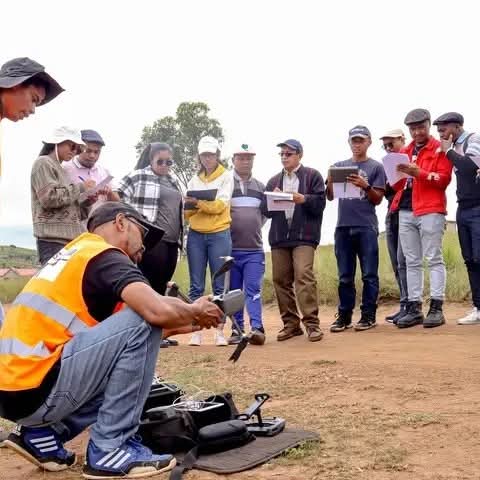
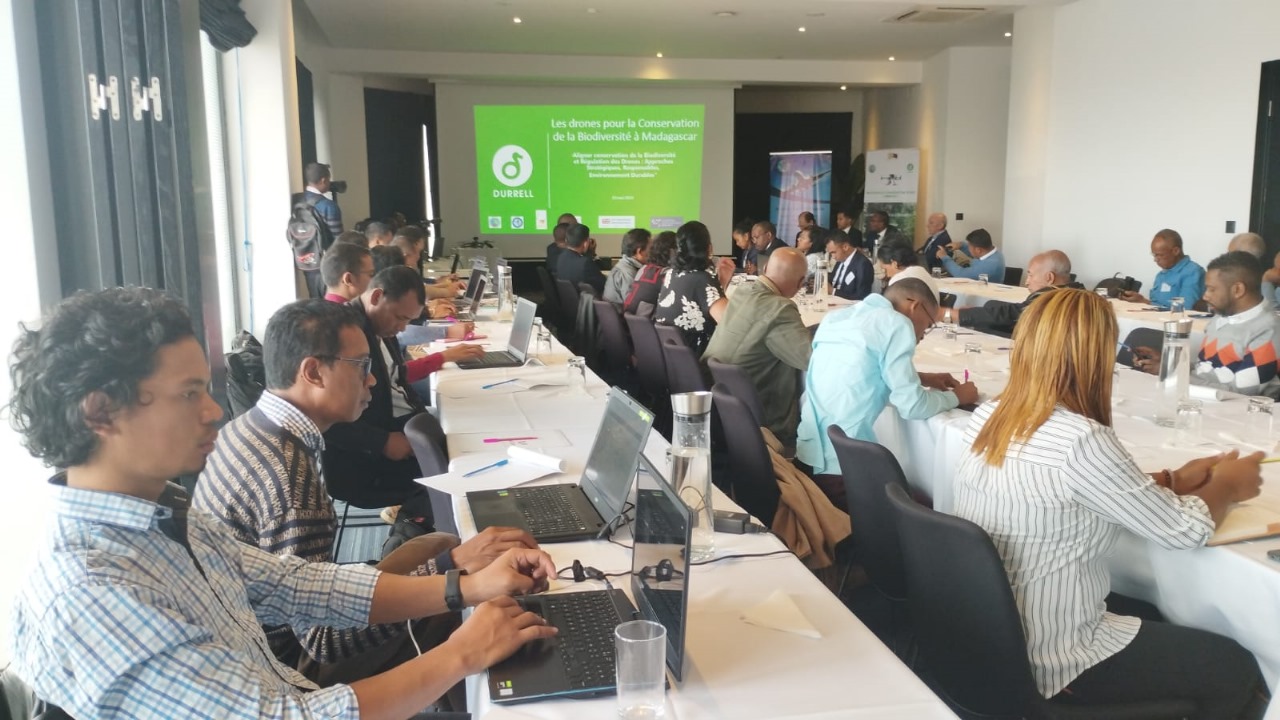
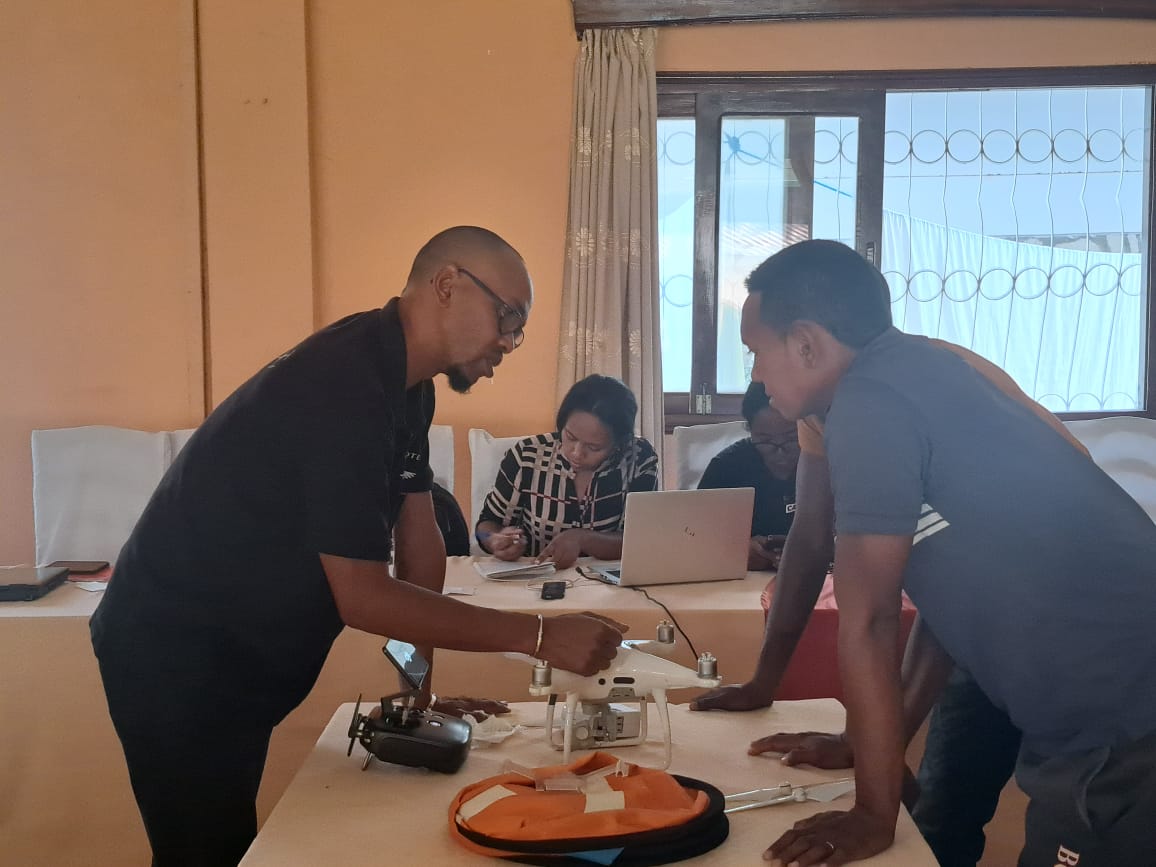
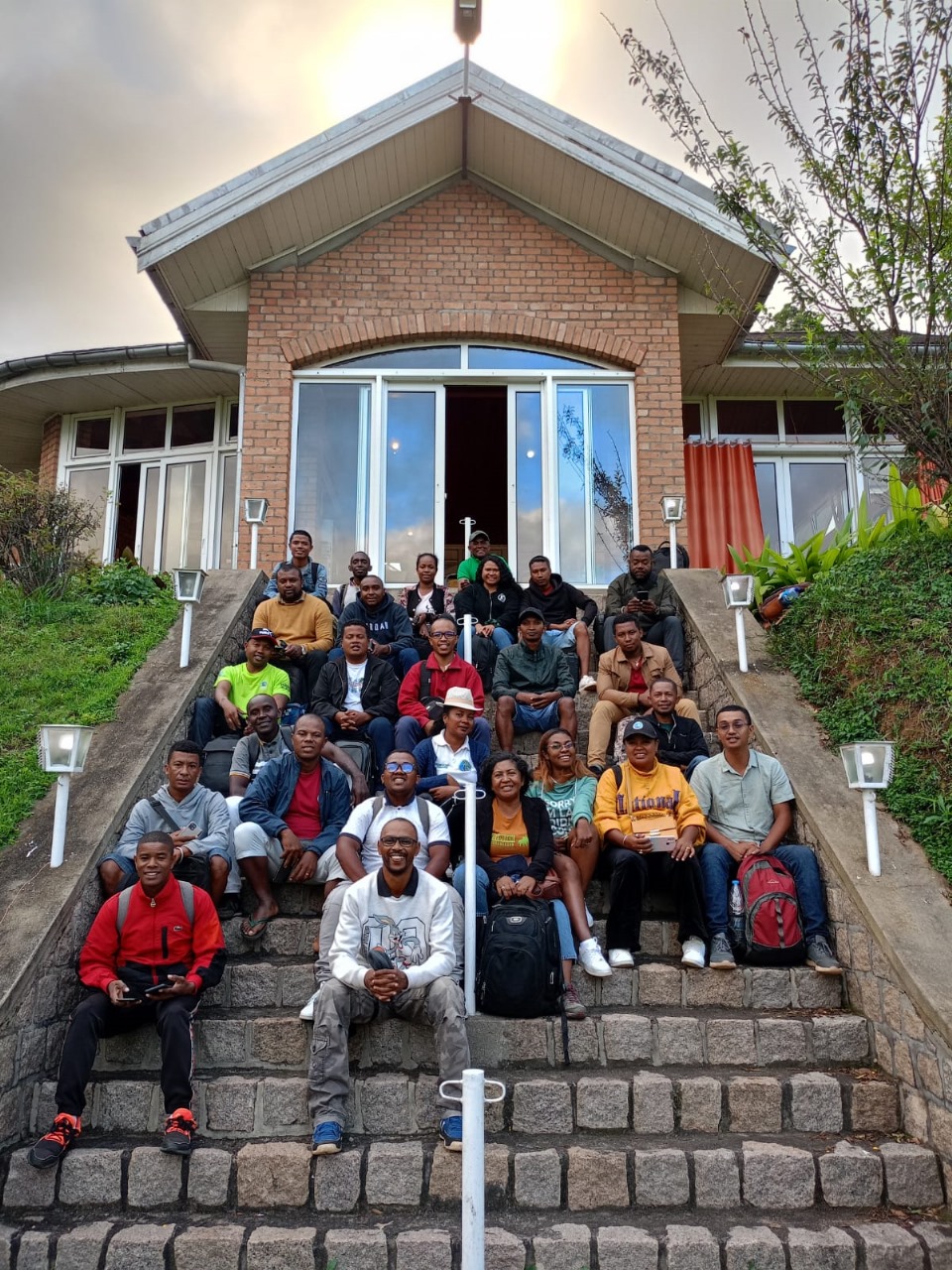
- The project conducts workshops to train local communities and conservationists in the use of drones for monitoring and protecting wildlife. These workshops cover drone operation, data collection, and analysis techniques.
- Training sessions are designed to build local capacity, ensuring that the skills and knowledge required to use drones for conservation are embedded within the community.
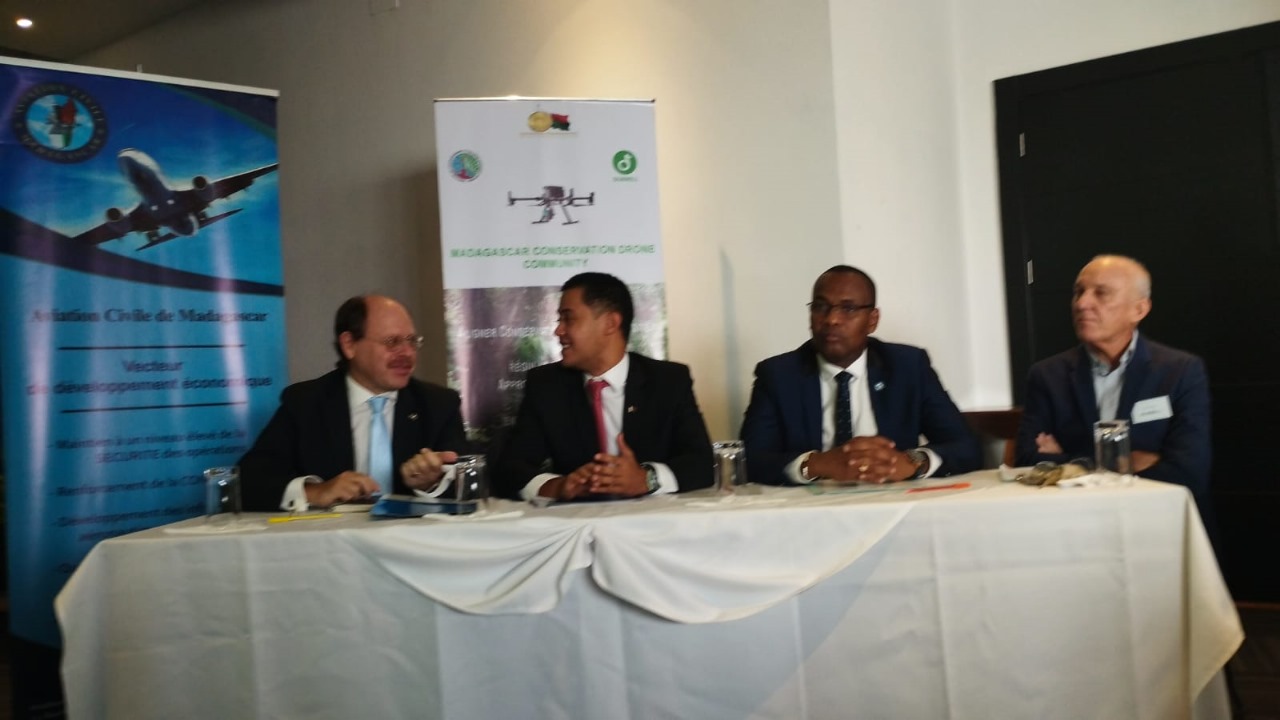
- In 2024, 240 people from the government, Civil Aviation Authority, and conservation NGOs were trained on drone operations. This training aimed to ensure safety and security while also sharing mapping techniques for forest monitoring and land cover assessment.
- Fieldwork:
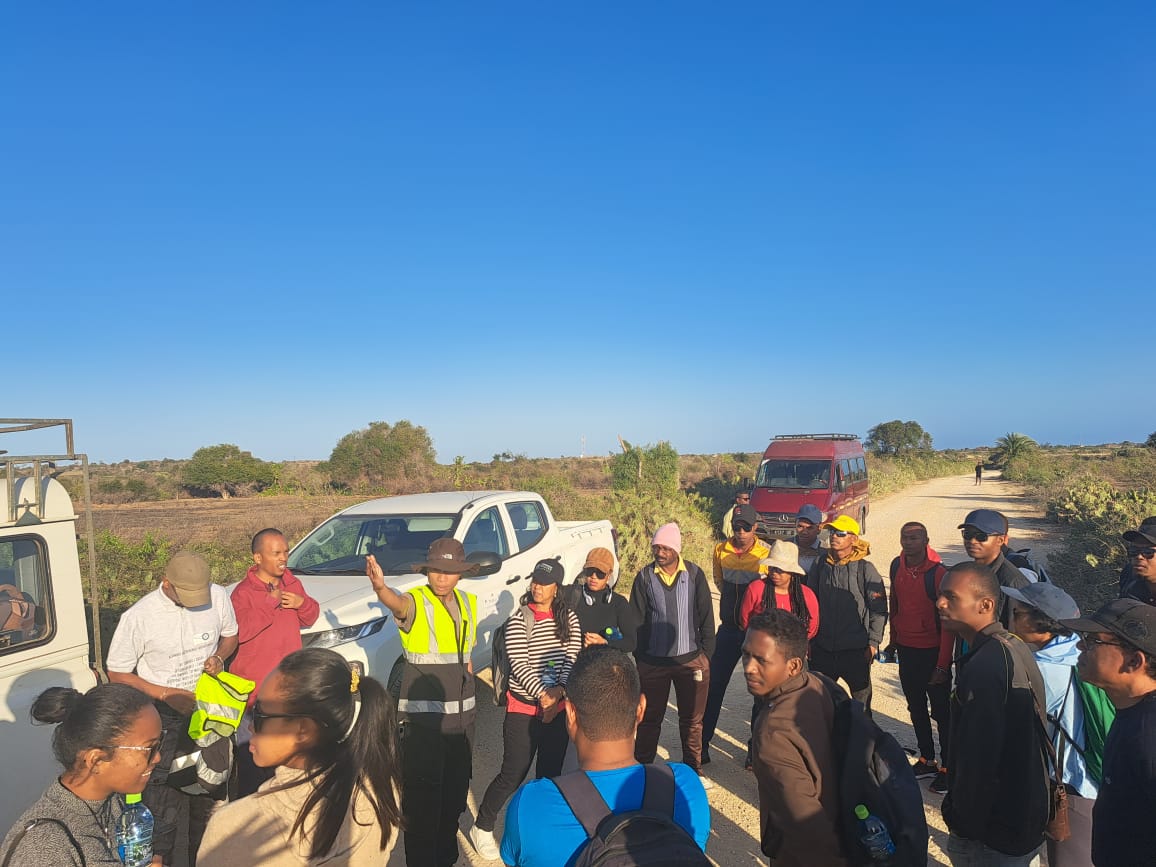
- Drones are deployed in various fieldwork activities to monitor endangered species and their habitats. This includes tracking the movement of species, assessing habitat conditions, and identifying threats such as illegal logging or poaching.
- Specific projects include monitoring the success rates of mangrove restoration efforts on both the west and east coasts of Madagascar.
Results and Impact
- Collaboration with Durrell Wildlife Conservation Trust:
- The collaboration has led to significant advancements in the use of drones for conservation. For example, drones have been used to monitor the critically endangered Madagascar pochard and other species.
- The project has also contributed to habitat restoration efforts, such as replanting marsh habitats and clearing invasive species.
- Collaboration with Liverpool John Moores University:
- This partnership has facilitated research and development of innovative drone technologies and methodologies for conservation.
- The university’s involvement has also helped in analyzing the data collected by drones, leading to more informed conservation strategies.
Key Achievements
- Enhanced Monitoring:
- The use of drones has significantly improved the ability to monitor remote and difficult-to-access areas, providing real-time data on wildlife and habitat conditions.
- Community Engagement:
- By involving local communities in drone operations and conservation efforts, the project has fostered a sense of ownership and responsibility towards protecting their natural resources.
- Community members are sharing their experiences on drone use for conservation, helping each other to improve drone flights, autonomous missions, and data processing.
- Successful Restoration Projects:
- The project has seen success in mangrove restoration, with average success rates of 65% for Avicennia marina on the west coast and 55% for littoral species on the east coast.
This innovative approach to conservation is helping to protect Madagascar’s unique biodiversity while empowering local communities with the tools and knowledge to sustain these efforts.